

PWC Maintenance Essentials: Keep Your Jet Ski Trailer in Top Shape

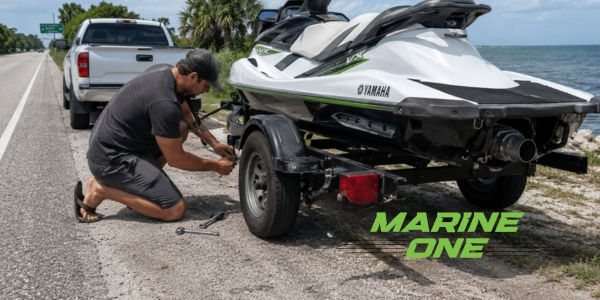
PWC maintenance goes beyond engine checks and hull inspections. Your jet ski trailer deserves equal attention, especially when you're towing on Arizona highways in extreme heat. Your trailer faces harsh road conditions every time you transport your watercraft. Potholes, bumps and surface irregularities can lead to breakdowns. A failed tire caused by low air pressure is the number-one cause of trailer trouble. Memorial Day boating prep and summer towing safety become critical during busy lake seasons. A proactive maintenance approach prevents inconvenient breakdowns and unsafe transport conditions. Marine One Motorsports will walk you through checklists, preventative maintenance tips and safe towing practices. These will keep your trailer road-ready for long-distance travel to Lake Havasu and beyond.

Pre-Trip Jet Ski Trailer Inspection Checklist
Before hitching up for your Lake Havasu trip, walk around your trailer. Tire pressure just needs your first attention. Check inflation with a quality gage every time you use the trailer. Arizona's scorching pavement can push tire temperatures beyond normal limits. Proper cold pressure readings become your baseline for safe summer towing.
Safety chains need inspection before every trip. Look for cracks in each link, check weld integrity for separation or corrosion damage, and verify hooks aren't bent or showing throat opening. Confirm latches open, close and lock. Chains should be crossed under the coupler with slack that clears the road surface at the lowest point.
Your winch strap tie-down system needs scrutiny in four main components: the webbing, sew pattern, ratings and markings, and end fittings. Remove any strap showing holes, tears, broken stitching or heat damage from service right away. End fittings that are broken or bent create failure risks during Memorial Day boating prep when traffic intensifies.
After short drives, touch each wheel hub with the back of your hand. Heat signals bearing problems. Test all trailer lights by pressing brakes, hazards and blinkers while someone confirms they correspond with your tow vehicle functions.
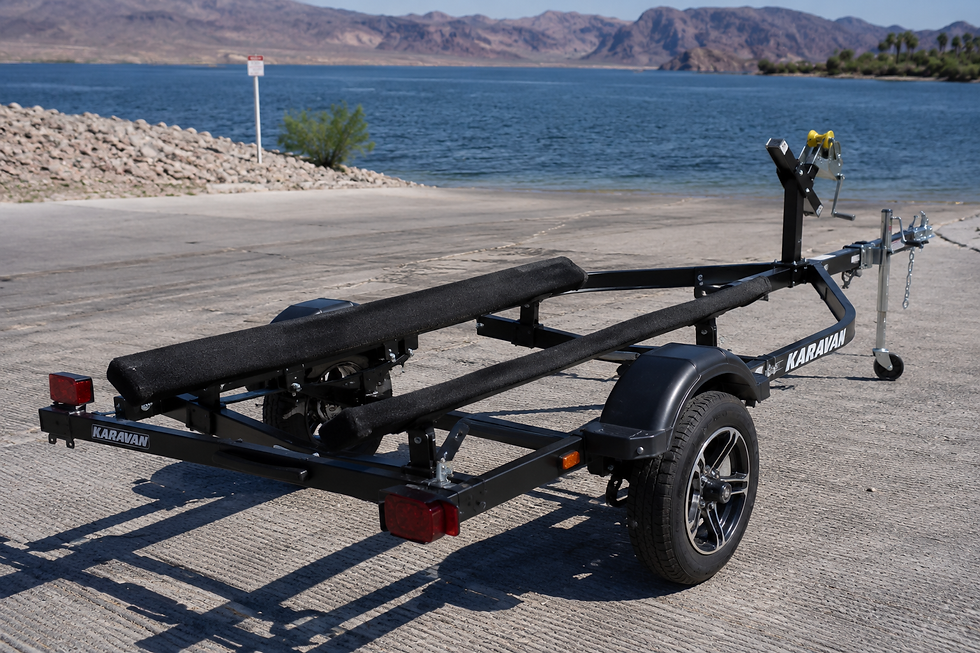
Essential Trailer Component Maintenance
Wheel bearings just need service every 12 months or 12,000 miles, whichever comes first. Trailers sitting unused face worse risks than those towing on a regular basis. Moisture and condensation build inside hubs during Arizona's temperature swings and cause bearings to rust and pit. Hook up for long-distance travel to Lake Havasu events and that corroded surface creates excessive heat and friction that can seize your hub within 50 to 500 miles.
E-Z Lube fittings create a common maintenance myth. You can't replace a full repack by pumping grease into the zerk. High-pressure grease blows out rear seals and contaminates brake assemblies when done wrong. This ruins your whole braking system. Fresh, high-quality grease before summer towing safety season will give smooth rotation and better heat management during Memorial Day boating prep.
Besides bearings, replace trailer tires every three to five years whatever the tread depth. Rubber degrades from ultraviolet exposure and temperature changes. Brake components need inspection every 3,000 miles. Magnets need replacement every three to four years for consistent performance.
Marine One Motorsports provides PWC maintenance services including bearing repacks, brake inspections and pre-season safety checks. Professional service prevents roadside failures at the time you're furthest from help.
Safe Loading, Securing, and Towing Best Practices
Center your PWC on the trailer bunks to start loading. Pull the craft into position with your winch. The bow eye should sit snug against the winch post. This creates balanced weight distribution and prevents fishtailing during long-distance travel to Lake Havasu events. Tongue weight matters more than most riders realize. You want 10-15% of your gross trailer weight on the hitch. Too little causes sway, while excessive tongue weight overloads your tow vehicle's rear axle and compromises steering control.
Ratchet straps provide superior security compared to cam buckle versions that loosen from road vibrations. Cross your stern straps in an X pattern from each tie-down point to the opposite trailer frame side. Sideways movement gets prevented with this configuration. Over-tightening damages hulls, so avoid it. Check strap tension after the first hour of driving and then at every stop.
Remove covers and verify drain plugs are tight before you launch. Speed limits drop when towing. Stay at or below 55 mph to minimize tire and bearing stress. Allow extra braking distance and practice defensive driving.
Marine One Motorsports offers PWC maintenance services that include pre-trip safety inspections and trailer setup verification. Stop by before Memorial Day boating prep to make sure your equipment handles Arizona highway conditions safely.
Conclusion
Your trailer works as hard as your jet ski, especially during Arizona's summer heat. Preventative maintenance saves you from breakdowns that get pricey during peak lake season. Check tire pressure and inspect bearings annually. Secure your PWC before every trip. You might be heading to Lake Havasu for Memorial Day or weekend riding, and these practices keep you safe on the highway. We're here at Marine One Motorsports to get professional inspections whenever you need expert support.
Key Takeaways
Proper trailer maintenance is crucial for safe PWC transport, especially in Arizona's extreme heat conditions. These essential practices will keep your jet ski trailer road-ready and prevent costly breakdowns during peak boating season.
• Check tire pressure before every trip and inspect safety chains for cracks or damage to prevent the #1 cause of trailer failures • Service wheel bearings every 12 months or 12,000 miles, as Arizona's temperature swings cause moisture buildup and bearing corrosion.
• Maintain proper tongue weight at 10-15% of gross trailer weight and use crossed ratchet straps for secure PWC loading.
• Replace trailer tires every 3-5 years regardless of tread depth due to UV and heat degradation in desert climates.
• Stay at or below 55 mph when towing and allow extra braking distance for safe highway travel.
•Regular pre-trip inspections and professional maintenance checks ensure your trailer can handle long-distance travel to destinations like Lake Havasu without unexpected roadside emergencies.
FAQs
Q1. How often should I service the wheel bearings on my jet ski trailer?
Wheel bearings should be serviced every 12 months or 12,000 miles, whichever comes first. Trailers that sit unused are actually at higher risk because moisture and condensation build up inside the hubs during temperature changes, causing bearings to rust and potentially seize during your next trip.
Q2. What is the proper tongue weight for towing a PWC trailer safely?
Aim for 10-15% of your gross trailer weight on the hitch. Too little tongue weight causes dangerous trailer sway, while excessive weight overloads your tow vehicle's rear axle and compromises steering control during highway travel.
Q3. How should I secure my jet ski to the trailer to prevent movement?
Use ratchet straps rather than cam buckle versions, and cross your stern straps in an X pattern from each tie-down point to the opposite side of the trailer frame. This configuration prevents sideways movement. Make sure to check strap tension after the first hour of driving and at every stop.
Q4. When should I replace my trailer tires even if they still have tread?
Replace trailer tires every three to five years regardless of tread depth. Rubber degrades from ultraviolet exposure and temperature changes, especially in hot climates, making older tires prone to blowouts even when they appear to have adequate tread.
Q5. What speed should I maintain when towing my jet ski trailer on the highway?
Stay at or below 55 mph when towing to minimize stress on tires and bearings. This reduced speed also allows for extra braking distance and helps prevent overheating of trailer components during long-distance travel.


Comments